


Blepharoplasty (Eyelid Surgery)
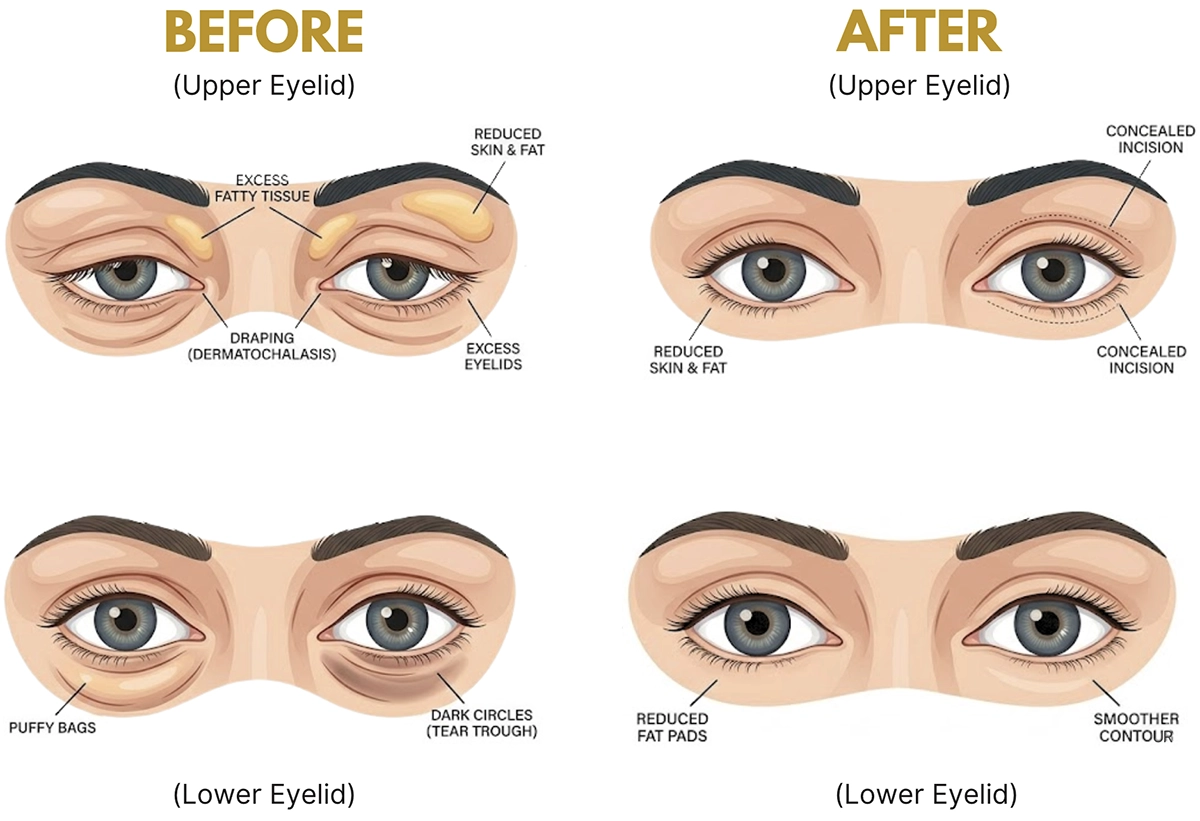
Blepharoplasty is a procedure that improves the eyelids by removing or adjusting excess skin, fat, or muscle in the upper or lower eyelids. At Eye Can, every patient is carefully assessed through a full eye examination to determine whether the concern is cosmetic, functional, or both. This ensures that the recommended treatment is appropriate for appearance and eye health.
Blepharoplasty Price List
| Cosmetic | Price (exclusive of Vat) |
|
|---|---|---|
| BLEPHAROPLASTY, LOWER or UPPER EYELID |
One eye | ₱22,500 |
| Both eyes | ₱45,000 |
Blepharoplasty may be considered when eyelid conditions begin to affect daily activities such as reading, driving, or overall visual comfort. In some cases, this is related to a condition called ptosis, or drooping of the eyelids.
Ptosis may be present at birth or develop later in life. It is generally classified into congenital and acquired types, depending on when and how it develops.
Ptosis (Drooping Eyelid)
Congenital ptosis is present at birth. In this condition, the upper eyelid does not open fully due to underdevelopment or weakness of the levator palpebrae superioris muscle, which is responsible for lifting the eyelid. In some cases, this can interfere with normal visual development if the eyelid significantly blocks the line of sight during early childhood.
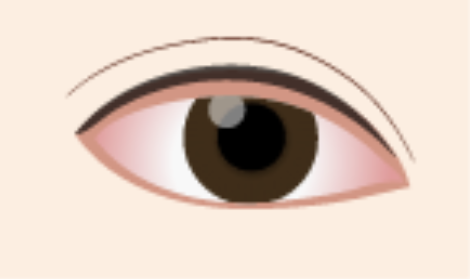
Mild Ptosis
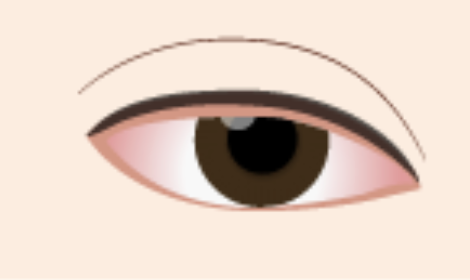
Moderate Ptosis
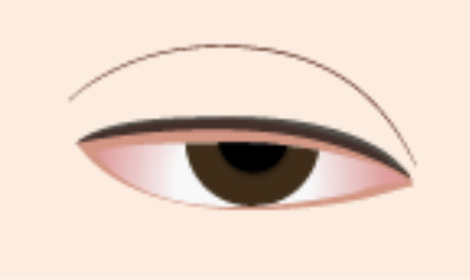
Severe Ptosis
Congenital Ptosis
Congenital ptosis is present at birth. In this condition, the upper eyelid does not open fully due to underdevelopment or weakness of the levator palpebrae superioris muscle, which is responsible for lifting the eyelid. In some cases, this can interfere with normal visual development if the eyelid significantly blocks the line of sight during early childhood.
Acquired Ptosis
Acquired ptosis develops later in life and is commonly seen in adults and elderly patients, although the severity varies. It is generally classified into two main types:
■Senile Ptosis
Senile ptosis is caused by age-related weakening and stretching of the eyelid structures. The levator palpebrae superioris muscle is connected to the tarsal plate through a thin structure called the aponeurosis. Over time, this connection may weaken or stretch, reducing the muscle’s ability to properly lift the eyelid. As a result, the eyelid gradually droops.
■Aponeurotic Ptosis
Aponeurotic ptosis occurs when the connection between the levator muscle and the tarsal plate becomes weakened or detached. The levator palpebrae superioris is the main muscle responsible for lifting the eyelid, and when its attachment is compromised, the eyelid position becomes lower than normal. This condition often develops gradually and may become more noticeable with age or prolonged eyelid strain.
■Acquired Ptosis
Acquired ptosis can be caused by conditions such as oculomotor nerve palsy, myasthenia gravis, extraocular myopathy, Horner’s syndrome, diabetes, and cerebral aneurysms. It can also be caused by trauma.
Pseudoptosis
Pseudoptosis is quite similar to ptosis due to conditions such as blepharochalasis (loosening of the eyelid skin) or ptosis (drooping eyebrows), but they should be treated separately because these have different procedures and conditions.
Symptoms of Ptosis
You may notice the following signs if you have eyelid drooping or related eyelid concerns:
・Eyelids that look heavy or lower than normal
・Difficulty keeping the eyes fully open
・Tired-looking eyes even after rest
・Reduced upper vision or blocked view
・Frequent eyebrow lifting to see clearly
・Eye strain, especially when reading or using screens
・Uneven eyelid height between both eyes
・Makeup or eyelid skin folding unevenly
These symptoms may vary depending on the severity of the condition.
Blepharoplasty Procedure
The process starts with a detailed consultation and eye examination. We assess the eyelids, muscle function, and overall eye health before recommending a plan. Once confirmed, the procedure is carefully mapped out based on your specific needs. Surgery is performed in a controlled medical setting using precise techniques for safe correction and natural results. After the procedure, follow-up care is provided to monitor healing.
Recovery
Mild swelling or bruising is expected in the first few days after surgery. This gradually improves as the area heals. Most patients are able to return to light daily activities within a short period, depending on the procedure performed. Recovery is closely monitored during follow-up visits to ensure proper healing.
Start with a Proper Eye Evaluation
The best way to know if blepharoplasty or ptosis repair is right for you is through a proper eye assessment. During consultation, your eyelid condition is evaluated in detail for a clear understanding of your options. You may book a consultation at Eye Can to get started.